Juneteenth is a significant holiday in American history that commemorates the end of slavery in the United States. Celebrated annually on June 19, it marks the day in 1865 when enslaved people in Texas learned they were free, more than two years after the Emancipation Proclamation was issued. Teaching students about Juneteenth provides an opportunity to explore themes of freedom, equality, resilience, and cultural heritage. Through engaging classroom activities, educators can help students better understand the historical importance of this day while encouraging meaningful discussions and creative expression.
Here are ten inspiring Juneteenth classroom activity ideas suitable for a variety of grade levels.
1. Create a Juneteenth Timeline
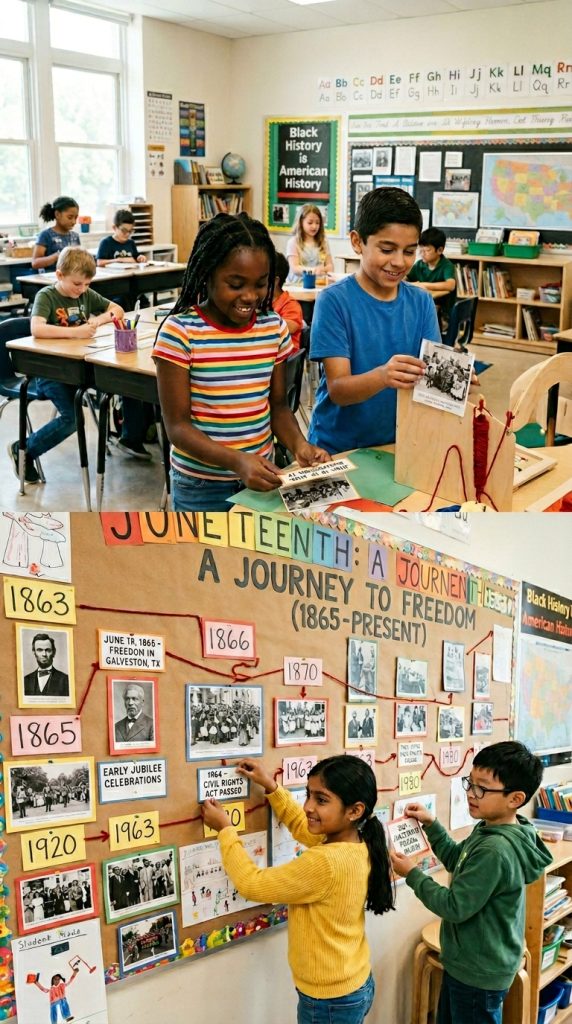
A timeline activity helps students visualize the sequence of events leading to Juneteenth. Students can research important dates such as the Emancipation Proclamation, the Civil War, General Order No. 3, and the establishment of Juneteenth as a federal holiday.
Allow students to work individually or in groups to create colorful timelines using posters, digital tools, or notebooks. This activity strengthens research skills while helping students understand the historical context of the holiday.
2. Read and Discuss Juneteenth Books
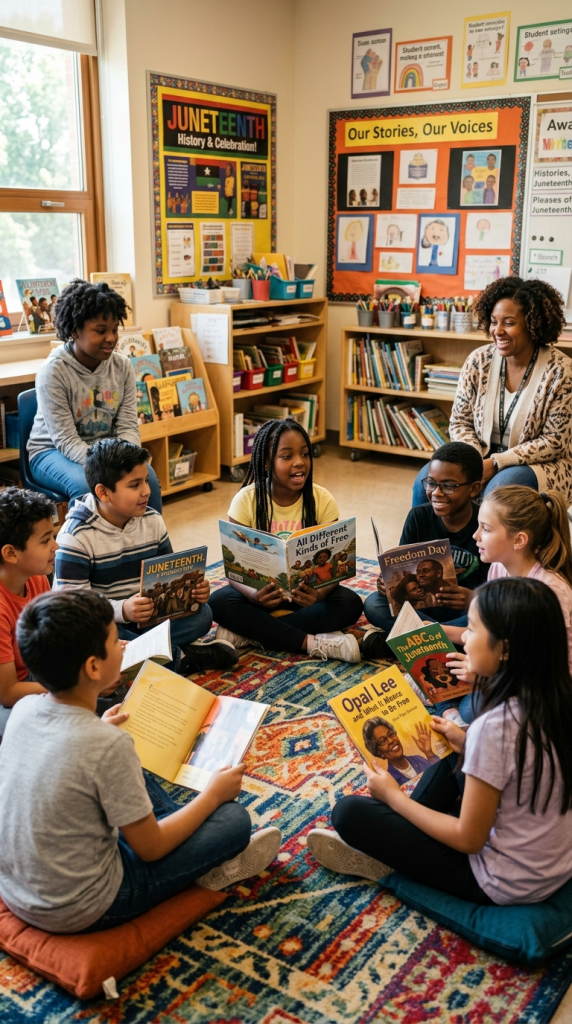
Books provide an engaging way to introduce Juneteenth to students. Choose age-appropriate stories and nonfiction texts that explain the history and significance of the holiday.
After reading, organize a classroom discussion where students can share what they learned, ask questions, and reflect on the experiences of people affected by slavery and emancipation. Literature-based discussions encourage empathy and critical thinking.
3. Design Juneteenth Freedom Posters
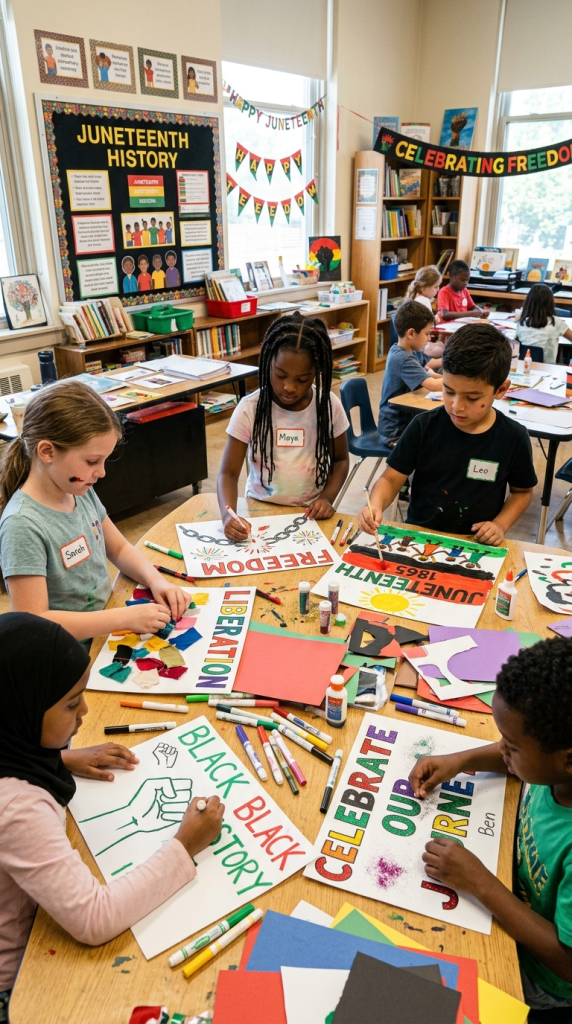
Invite students to create posters celebrating freedom, equality, and hope. Encourage them to include symbols commonly associated with Juneteenth, such as the Juneteenth flag, broken chains, stars, and inspiring messages.
Students can use markers, colored pencils, paint, or digital design software. Displaying the finished posters around the classroom helps create a meaningful learning environment and allows students to express their understanding creatively.
4. Explore Historical Primary Sources
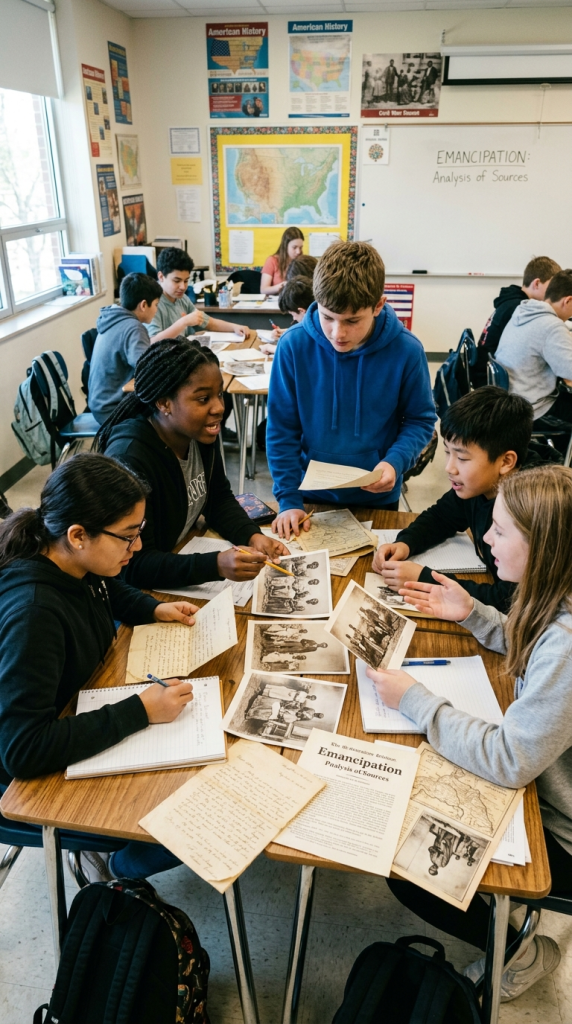
Introduce students to historical documents, photographs, and speeches related to Juneteenth and emancipation. Examining primary sources helps students develop historical thinking skills by analyzing evidence directly from the past.
Guide students through questions such as: Who created this source? What message does it convey? What can we learn from it about life during that time? This activity encourages deeper engagement with history beyond textbook summaries.
5. Host a Classroom Freedom Reflection Writing Activity
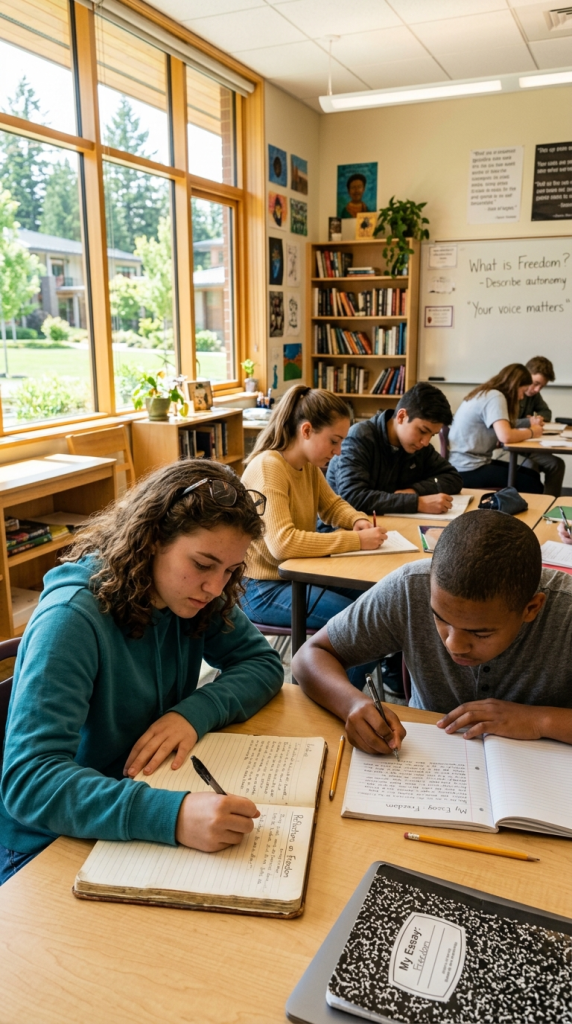
Writing activities allow students to connect historical events with their own thoughts and experiences. Ask students to reflect on questions such as:
- What does freedom mean to you?
- Why is Juneteenth important today?
- How can people promote equality in their communities?
Students can write essays, journal entries, poems, or letters. Sharing reflections with classmates can spark thoughtful conversations and personal connections to the topic.
6. Create a Juneteenth Art Gallery
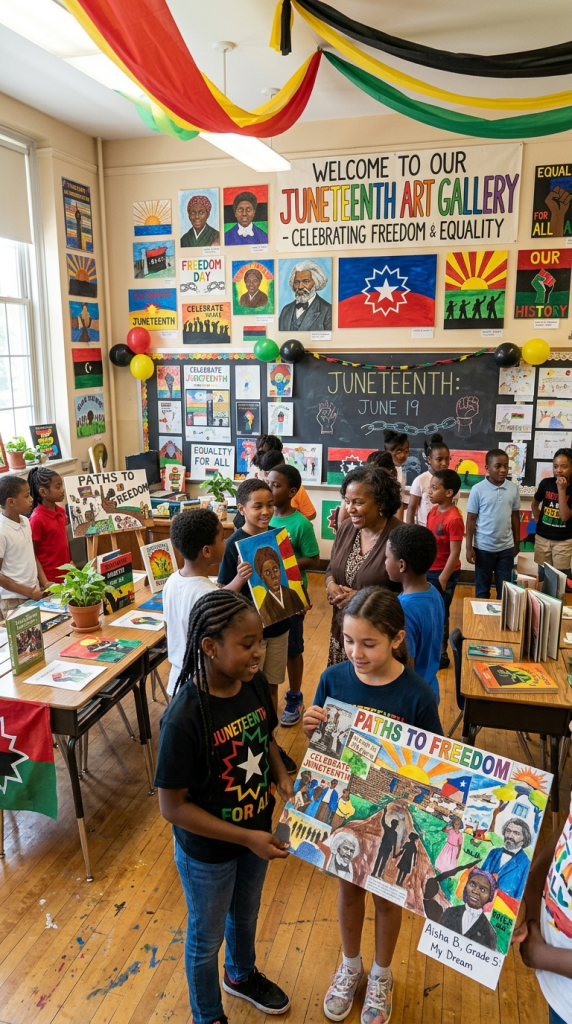
Art offers students a powerful way to explore history and culture. Encourage students to create drawings, paintings, collages, or mixed-media projects inspired by themes of freedom, perseverance, and celebration.
Once completed, transform the classroom into an art gallery where students can display and explain their work. This activity promotes creativity while reinforcing key concepts related to Juneteenth.
7. Learn About African American Contributions
Juneteenth is also an opportunity to celebrate the achievements and contributions of African Americans throughout history. Assign students research projects on influential figures in science, literature, politics, sports, education, and the arts.
Students can create presentations, posters, or fact sheets showcasing their chosen individual. This activity broadens students’ understanding of history while highlighting diverse role models and accomplishments.

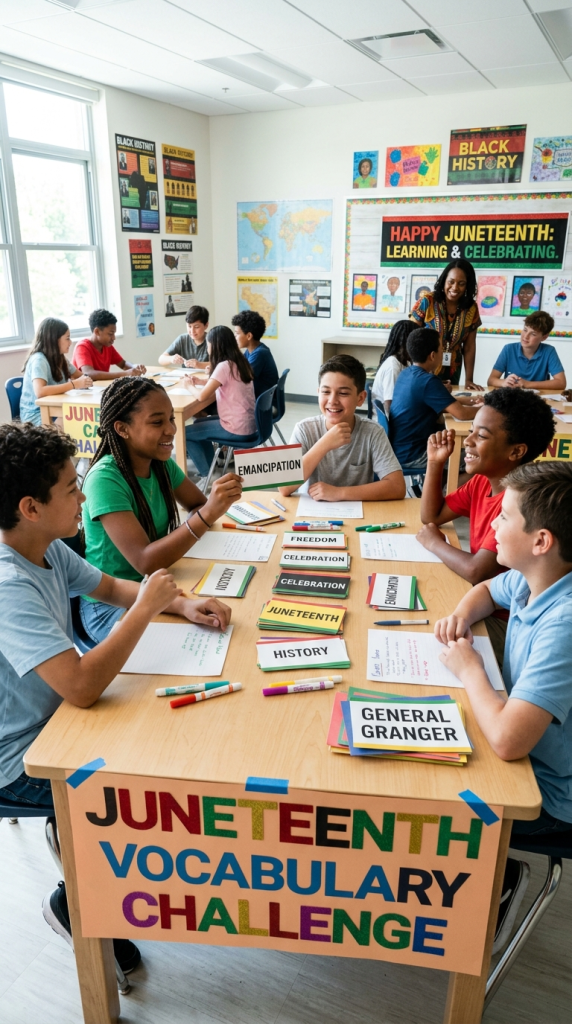
8. Organize a Juneteenth Vocabulary Challenge
Introduce key terms related to Juneteenth, including emancipation, freedom, equality, abolition, civil rights, and justice. Create vocabulary games such as word searches, matching activities, charades, or quiz competitions.
Interactive vocabulary exercises help students build historical knowledge while making learning enjoyable. Teachers can adapt the difficulty level to suit different age groups and learning needs.
9. Listen to and Analyze Music
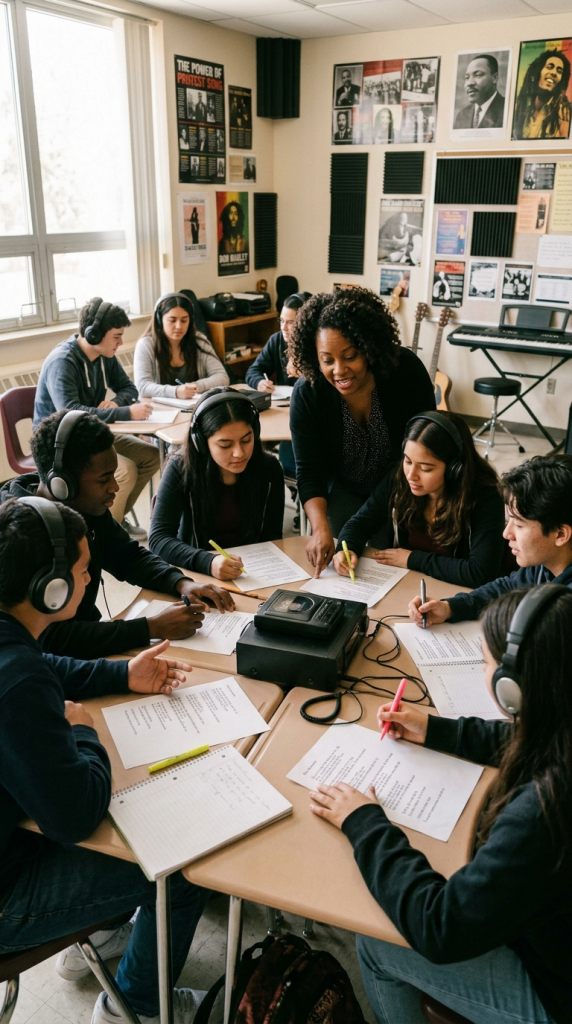
Music has long played an important role in African American history and culture. Share songs, spirituals, or modern pieces connected to themes of freedom, resilience, and hope.
After listening, encourage students to discuss the lyrics, emotions, and historical significance of the music. Students may also write their own song lyrics or poems inspired by what they learned. This activity integrates history, language arts, and music education in a meaningful way.
10. Plan a Juneteenth Celebration Day
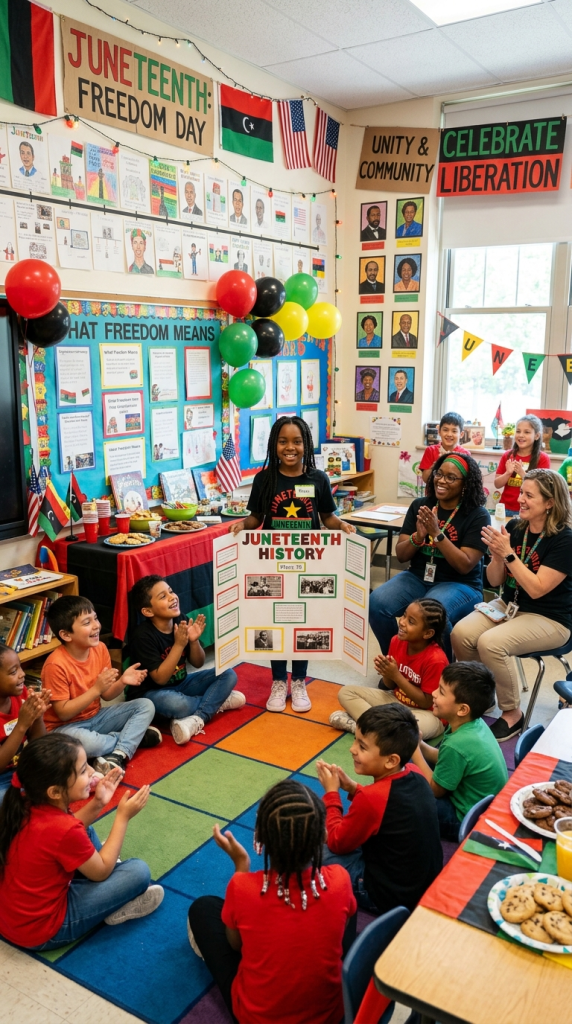
Conclude your Juneteenth unit with a classroom celebration that brings together everything students have learned. Activities might include student presentations, art displays, poetry readings, cultural storytelling, and educational games.
You can also invite families or other classes to participate in a showcase of student work. A celebration day helps reinforce learning while honoring the significance of Juneteenth in a positive and engaging manner.
Why Juneteenth Activities Matter
Classroom activities centered on Juneteenth do more than teach historical facts. They encourage students to think critically about freedom, justice, and equality while recognizing the experiences and contributions of African Americans throughout history.
Interactive lessons help students connect emotionally and intellectually with important historical events. Whether through art, writing, research, discussion, or music, these activities create opportunities for meaningful learning that extends beyond the classroom.
As educators continue to promote inclusive and culturally responsive teaching practices, Juneteenth offers a valuable opportunity to foster understanding, respect, and appreciation for diverse perspectives. By incorporating engaging activities into lesson plans, teachers can help students develop a deeper awareness of history and its impact on the present day.
Through thoughtful exploration and celebration of Juneteenth, students gain knowledge, empathy, and a stronger commitment to the values of freedom and equality that remain important today.