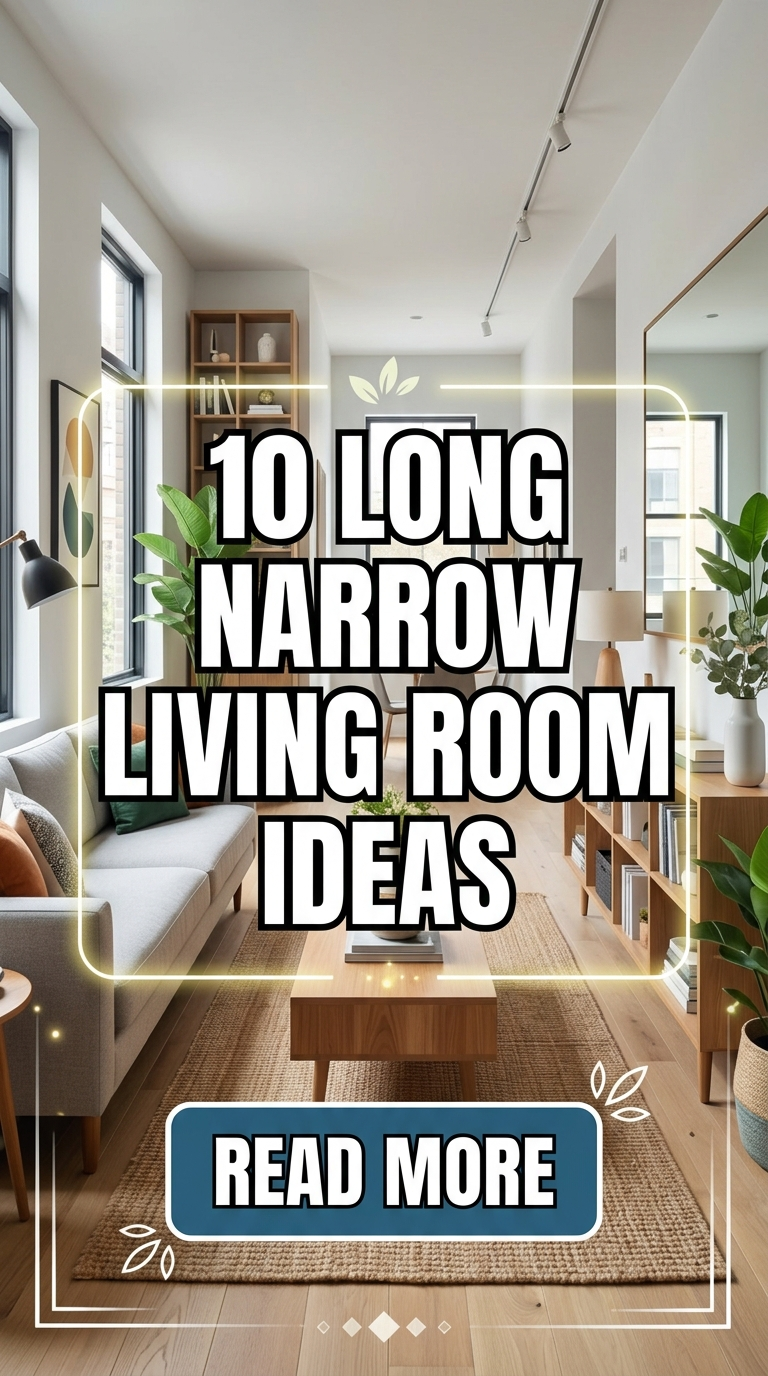
Designing a long, narrow living room can feel like a challenge at first. The shape often makes it difficult to arrange furniture, balance proportions, and create a cozy, inviting atmosphere. However, with the right design strategies, this layout can become one of the most stylish and functional spaces in your home. The key is to work with the shape instead of fighting against it—using smart layouts, visual tricks, and purposeful décor.
Below are 10 creative and practical ideas to help you transform a long narrow living room into a beautiful and well-balanced space.

1. Create Distinct Zones
Instead of treating the room as one long stretch, divide it into functional zones. For example, you can have a seating area at one end and a reading nook or workspace at the other. Use rugs, lighting, or furniture placement to visually separate each section. This approach makes the room feel organized and purposeful rather than awkwardly stretched.

2. Use a Linear Furniture Layout
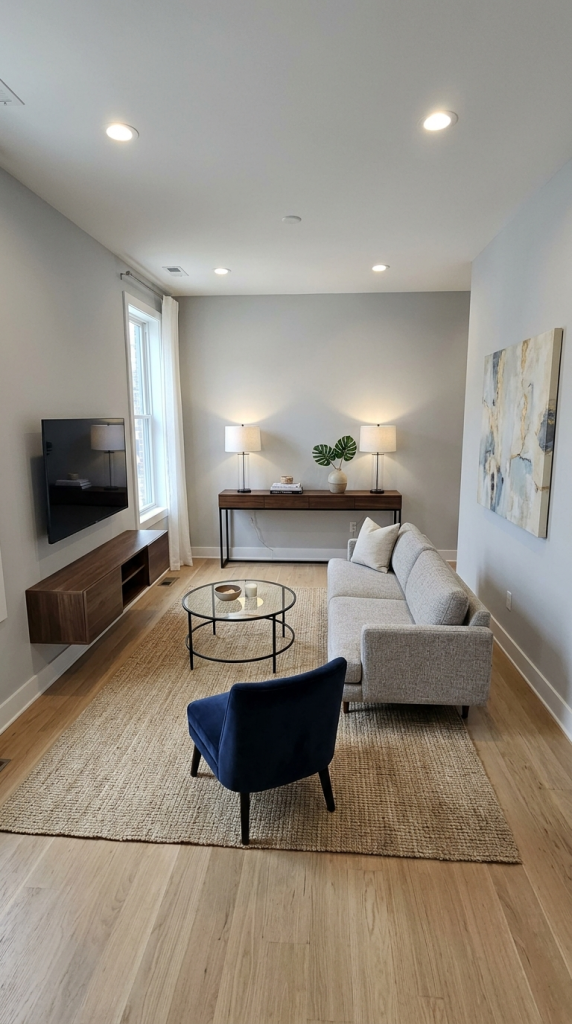
Aligning furniture along the length of the room helps maintain flow without overcrowding. Place a sofa against one wall and add chairs or a slim console opposite it. This keeps pathways clear and enhances the natural shape of the room instead of blocking it.

3. Choose Slim and Multi-Functional Furniture
Bulky furniture can overwhelm a narrow space. Opt for sleek sofas, armless chairs, and narrow coffee tables. Multi-functional pieces like storage ottomans or nesting tables maximize usability without taking up too much space. This keeps the room open and uncluttered.

4. Add Mirrors to Expand the Space
Mirrors are one of the most effective tricks for making a narrow room feel wider. Place a large mirror on one of the long walls to reflect light and create the illusion of depth. Mirrored furniture or décor accents can also enhance brightness and openness.

5. Use Light and Neutral Colors
Color plays a huge role in how spacious a room feels. Light tones such as white, beige, soft gray, and pastels make the room appear larger and more open. You can add depth with subtle accent colors through cushions, throws, or artwork without making the space feel crowded.

6. Incorporate Vertical Design Elements
Draw the eye upward to balance the narrow proportions of the room. Use tall bookshelves, vertical wall panels, or floor-to-ceiling curtains. This creates a sense of height and makes the space feel more expansive rather than confined.

7. Float Furniture Away from Walls
While it may seem counterintuitive, pulling furniture slightly away from the walls can make the room feel wider. For example, position your sofa a few inches off the wall and add a slim console behind it. This creates breathing room and improves visual flow.
8. Use Rugs to Define Space
Rugs are a powerful tool for structuring a long room. Instead of one long rug, use multiple rugs to define different areas. For instance, place one rug under the main seating area and another in a reading corner. This breaks up the length and adds visual interest.

9. Optimize Lighting Layers
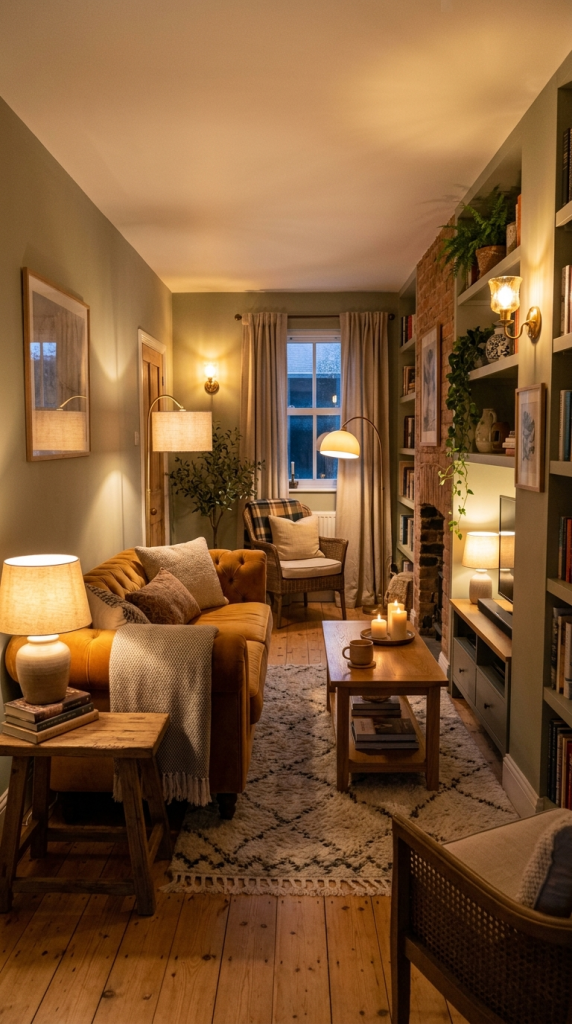
Good lighting can completely transform a narrow living room. Use a mix of overhead lighting, floor lamps, and table lamps to create depth and warmth. Wall sconces are also a great option as they don’t take up floor space. Proper lighting prevents the room from feeling like a tunnel.
10. Add a Focal Point at the End
Create a visual anchor at one end of the room to draw attention and balance the layout. This could be a fireplace, TV unit, gallery wall, or large piece of artwork. A strong focal point gives the room direction and prevents it from feeling like a long corridor.

Final Thoughts
A long narrow living room doesn’t have to feel limiting—in fact, it can become a stylish and highly functional space with the right approach. By focusing on layout, scale, and visual balance, you can turn this challenging shape into a design advantage.
The key is to think strategically: divide the space, keep furniture proportionate, and use décor elements that enhance width and height. Small adjustments like adding mirrors, choosing lighter colors, or layering lighting can make a dramatic difference.
Ultimately, your living room should reflect comfort and personality while remaining practical for everyday use. With these 10 ideas, you can create a space that feels open, inviting, and beautifully designed.